Window tint is one of the most practical upgrades you can add to your vehicle. It improves comfort, protects your interior, enhances privacy, and gives your car a sleek, finished appearance. But like any automotive feature, window tint does not last forever. Over time, exposure to sunlight, heat, and daily wear can cause tint film to degrade. When that happens, the performance and appearance of your tint decline.
Here at Grafics Unlimited, Northern Nevada’s go-to for window tint installation, we’ve met many drivers who don’t realize their window tint has reached the end of its lifespan until the problems become obvious. If your tint is peeling, bubbling, or fading, it may already be time for replacement. Knowing the warning signs early can help you maintain your vehicle’s appearance and continue benefiting from the protection quality tint provides.
Below are five common signs that your car needs new window tint and why replacing it sooner rather than later is the best choice.
1. Your Window Tint Is Bubbling
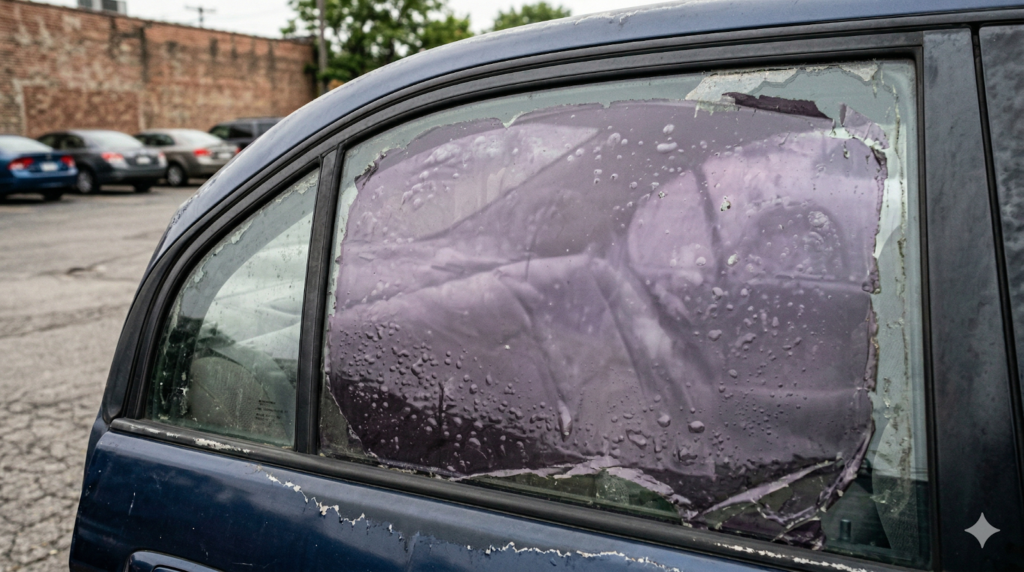
Bubbling is one of the most common and noticeable signs that window tint is failing. When bubbles appear between the film and the glass, it means the adhesive holding the tint in place is beginning to break down.
Bubbles typically occur due to:
- Prolonged exposure to intense sunlight
- Poor installation techniques
- Aging adhesive
- Low-quality tint film
Once bubbles appear, they usually spread over time. Aside from looking unattractive, bubbling also interferes with visibility, especially when sunlight hits the window at certain angles.
Unfortunately, bubbles cannot be permanently repaired. Attempting to press them down or puncture them will only worsen the problem. The best solution is to remove the failing tint and install a new high-quality film that will adhere properly and last longer.
2. The Tint Is Turning Purple
If your window tint used to be dark charcoal or black but now has a purple or bluish hue, that’s a strong indication that the film has degraded.
Lower-quality tint films often contain dyes that break down after years of ultraviolet exposure. As the dye deteriorates, the color changes dramatically. What once looked sleek and professional begins to appear faded and discolored.
A purple tint isn’t just a cosmetic problem. It also means the film is no longer providing the level of UV protection or heat rejection it once did.
Modern window tint technology has improved significantly. High-quality films use advanced materials like ceramic or carbon that resist color change and maintain their performance for many years. Replacing faded tint with modern film restores both the appearance and functionality of your windows.
3. The Tint Is Peeling or Cracking
Peeling edges are another clear indicator that window tint has reached the end of its life. This typically starts near the corners or along the top edge of the window where exposure to sunlight and heat is greatest.
Peeling tint can occur because of:
- Aging adhesive
- Improper installation
- Frequent window rolling
- Long-term sun exposure
Once peeling begins, the film will continue to separate from the glass. Dirt and debris can collect underneath, making the problem more noticeable and difficult to ignore.
Cracking may also occur in older tint films that have become brittle. When the film dries out, it loses flexibility and begins to fracture.
Aside from the obvious appearance issues, peeling tint can violate local vehicle regulations if it obstructs visibility. Replacing it ensures your vehicle remains compliant and visually appealing.
4. Your Car Interior Feels Hotter Than It Used To
One of the primary reasons drivers install window tint in Northern Nevada is to reduce heat inside the vehicle. Quality tint blocks a significant portion of solar heat and helps keep the cabin comfortable, especially during the summer months.
If you notice your car heating up much faster than it used to, your tint may no longer be performing effectively.
Over time, worn tint films lose their ability to block infrared heat and ultraviolet radiation. As the protective layer breaks down, more heat enters the vehicle, making your air conditioning work harder.
This can lead to:
- Increased fuel consumption
- Reduced comfort while driving
- Faster interior wear and fading
Replacing aging tint with modern heat-rejection film can dramatically improve interior temperature control. Newer ceramic and nano-technology films are especially effective at reducing heat while maintaining clear visibility.
5. Your Windows Look Scratched or Hazy
Another sign your window tint needs replacement is visible scratching or a cloudy, hazy appearance. Over time, tint film can accumulate scratches from everyday use.
Common causes include:
- Seatbelts hitting the window
- Objects rubbing against the glass
- Improper cleaning tools
- Automatic car washes
Scratches in the film distort light and make the windows look worn. In some cases, the tint may also develop a foggy or hazy appearance as the material deteriorates.
This not only affects your vehicle’s aesthetics but can also reduce visibility while driving at night or in bright sunlight.
New window tint instantly restores clarity and improves the overall look of your vehicle.
Why Replacing Old Tint Is Worth It
Many drivers delay replacing old tint because they assume it’s purely cosmetic. In reality, high-quality window tint provides several practical benefits that are worth maintaining.
When you install new tint, you regain advantages such as:
- UV protection that helps prevent interior fading and skin exposure
- Heat reduction for a cooler and more comfortable cabin
- Glare reduction for improved driving visibility
- Increased privacy for passengers and valuables
- Enhanced vehicle appearance
Fresh tint can make an older vehicle look newer and more refined while protecting your interior for years to come. Want to learn more about the different types of window tint and which is right for you? The pros at Grafics Unlimited came up with this Window Tint Comparison Guide
How Long Does Window Tint Typically Last?
The lifespan of window tint depends on several factors, including film quality, installation method, and climate.
On average:
- Standard dyed tint lasts 3–5 years
- Carbon tint lasts 5–10 years
- Ceramic tint can last 10+ years
Vehicles in sunny climates often experience faster tint degradation due to constant ultraviolet exposure. Proper installation and high-quality film significantly extend the lifespan of your tint.
Professional Tint Removal Matters
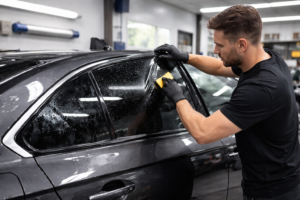
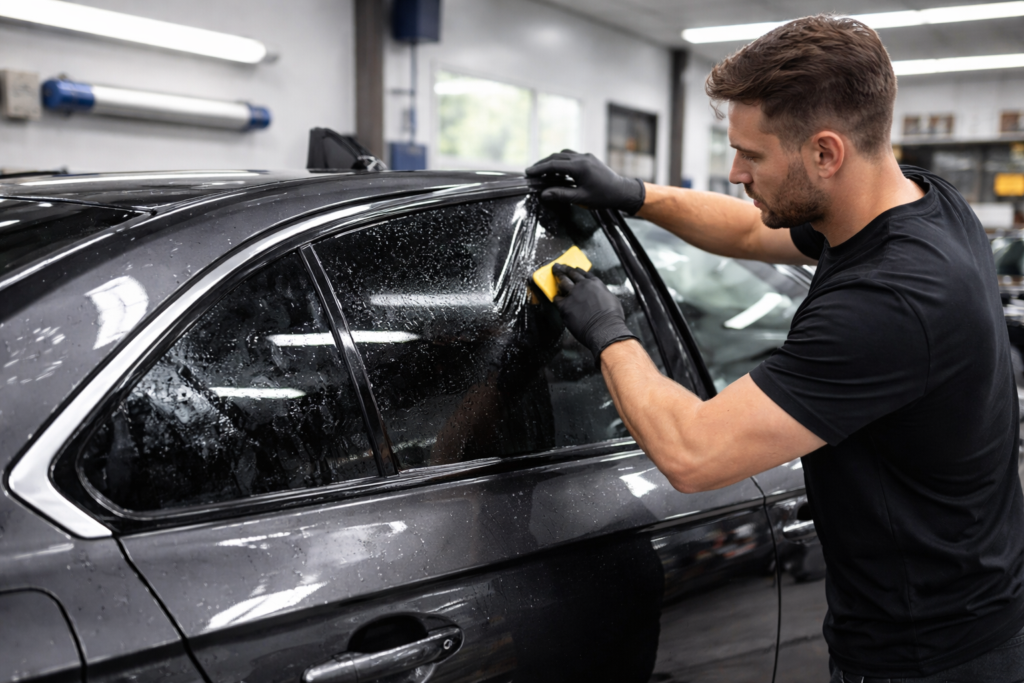
When window tint fails, some drivers attempt to remove it themselves. While DIY removal is possible, it often leaves behind stubborn adhesive residue and can damage defroster lines on rear windows.
Professional removal ensures:
- Complete adhesive removal
- No damage to glass or electronics
- Proper surface preparation for new tint
- A clean and smooth installation
A professional tint shop can remove old film safely and install new tint that looks flawless.
Grafics Unlimited is Your One-Stop Tinting Shop in Northern Nevada
If you’re looking for a window tint shop in Northern Nevada, Grafics Unlimited is your trusted go-to. Grafics Unlimited has an extensive portfolio and decades of experience working with car enthusiasts, local businesses, and organizations to enhance vehicles and fleets with wraps, spot graphics, window tint, and more.
Grafics Unlimited has operated as a family-owned, full-service sign business since 1976 and has set the pace for design in the sign and vehicle wrap industry. They provide professional, friendly service and quality products to each satisfied customer.