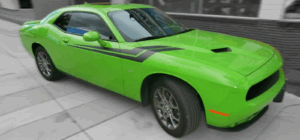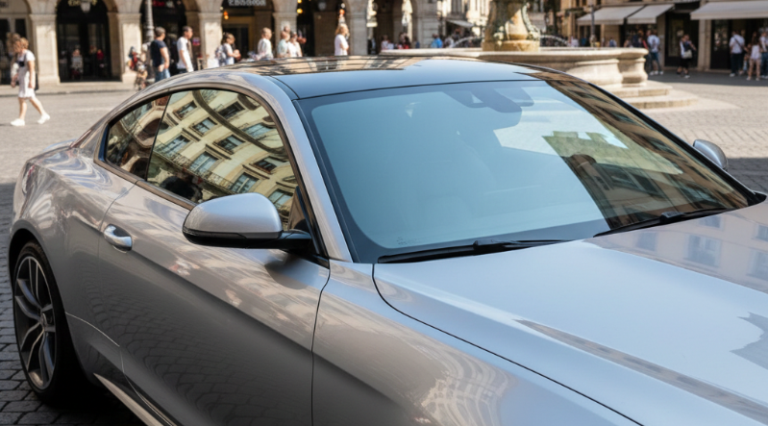
If you drive in Nevada, you already know how intense the sun can be. From summer heat baking your interior to year-round glare on open highways, window tint isn’t just a cosmetic upgrade; it’s a comfort and protection decision.
But before you choose a shade, it’s important to understand what Nevada law actually allows and how those laws are enforced in the real world. Here at Grafics Unlimited, we’re not legal experts, but after installing window tint for nearly four decades, we’ve seen just about everything when it comes to what’s legal and what’s typically enforced.
If you’re trying to stay cool and stay compliant, here’s what you need to know for 2026.
Understanding VLT: What “35% Tint” Really Means
Nevada regulates window tint using a measurement called Visible Light Transmission (VLT). VLT refers to the percentage of visible light that can pass through your window and tint combined.
This is where many people get confused.
A 35% tint does not mean the window blocks 35% of light. It means that 35% of visible light passes through, and the remaining 65% is blocked. The lower the VLT number, the darker the window appears.
It’s also important to remember that factory glass already blocks some light. When tint is applied, the combined VLT of the glass and film must meet the legal requirement.
Front Side Windows: Where the Law Is Strictest
Nevada law requires that front side windows allow at least 35% of visible light to pass through.
In practical terms, that means:
- 35% is the darkest legal option for driver and passenger front windows.
- Anything darker — such as 20%, 15%, or 5% — is technically illegal for the front.
This is the area where enforcement most commonly happens. If an officer pulls someone over for another reason and notices very dark front windows, that’s when tint usually gets checked.
If you want to eliminate the risk of citations, 35% is the safe and compliant choice for the front doors.
Back Side and Rear Windows: More Flexibility
Nevada gives drivers much more freedom when it comes to rear glass.
For back side windows and the rear windshield, any darkness level is permitted. That includes 20%, 15%, or even 5% (“limo tint”).
However, if your rear window is tinted, your vehicle must have dual side mirrors so you still maintain adequate visibility behind you.
Because there are no darkness limits in the back, many drivers choose darker tint in these areas for:
- Increased privacy
- Reduced glare for passengers
- Better interior heat control
- A balanced aesthetic when paired with legal 35% fronts
Windshield Tint: What’s Allowed (and What’s Not)
Windshield tint rules are very specific.
Nevada allows non-reflective tint on the top portion of the windshield only, commonly referred to as an “eyebrow” or visor strip. This tint must not extend below the manufacturer’s AS-1 line, which is typically etched into the glass near the top corners.
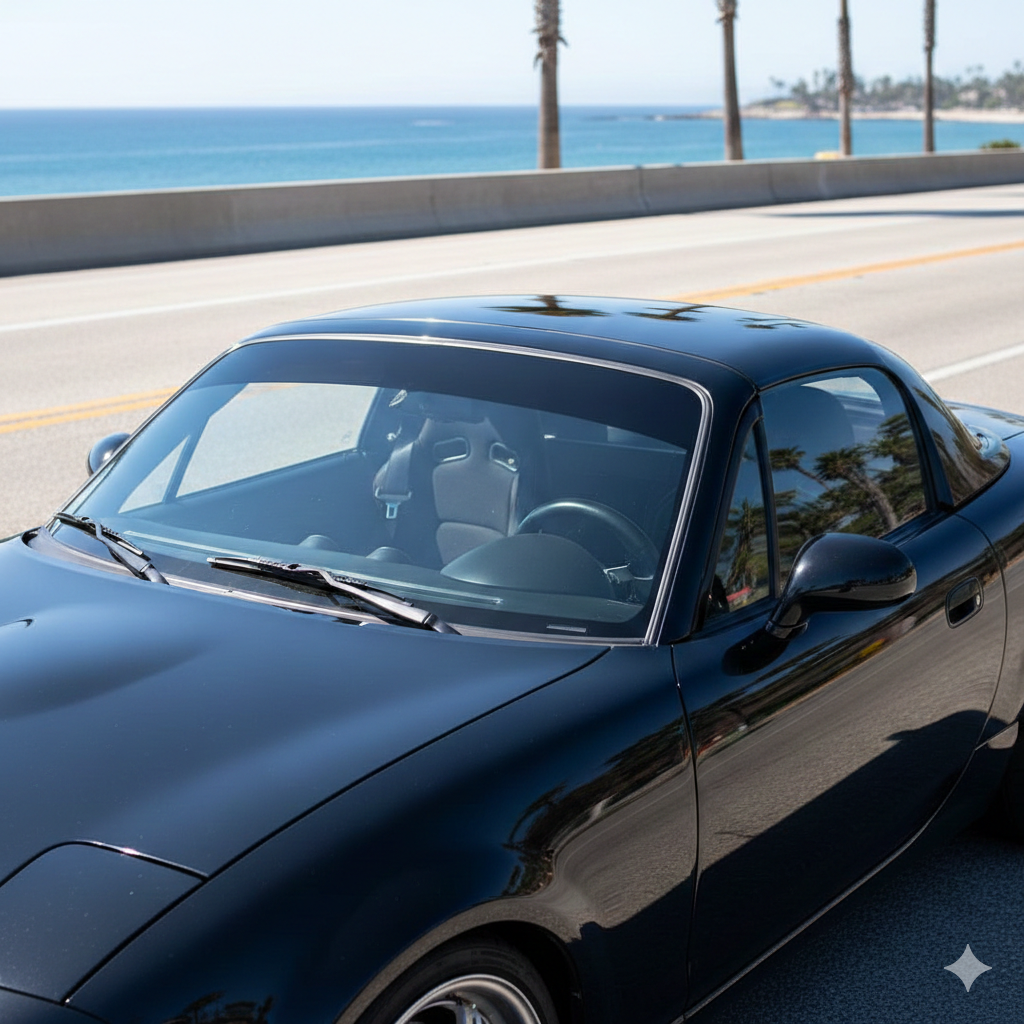
Full windshield tint — even in lighter shades — is not technically permitted under Nevada law unless you have a qualifying medical exemption.
That said, some drivers choose very light, high-performance ceramic films for heat rejection. While these films are nearly clear, it’s important to understand the legal distinction before making that decision.
Reflectivity Limits: No Mirror-Like Finishes
In addition to darkness levels, Nevada also regulates how reflective window tint can be.
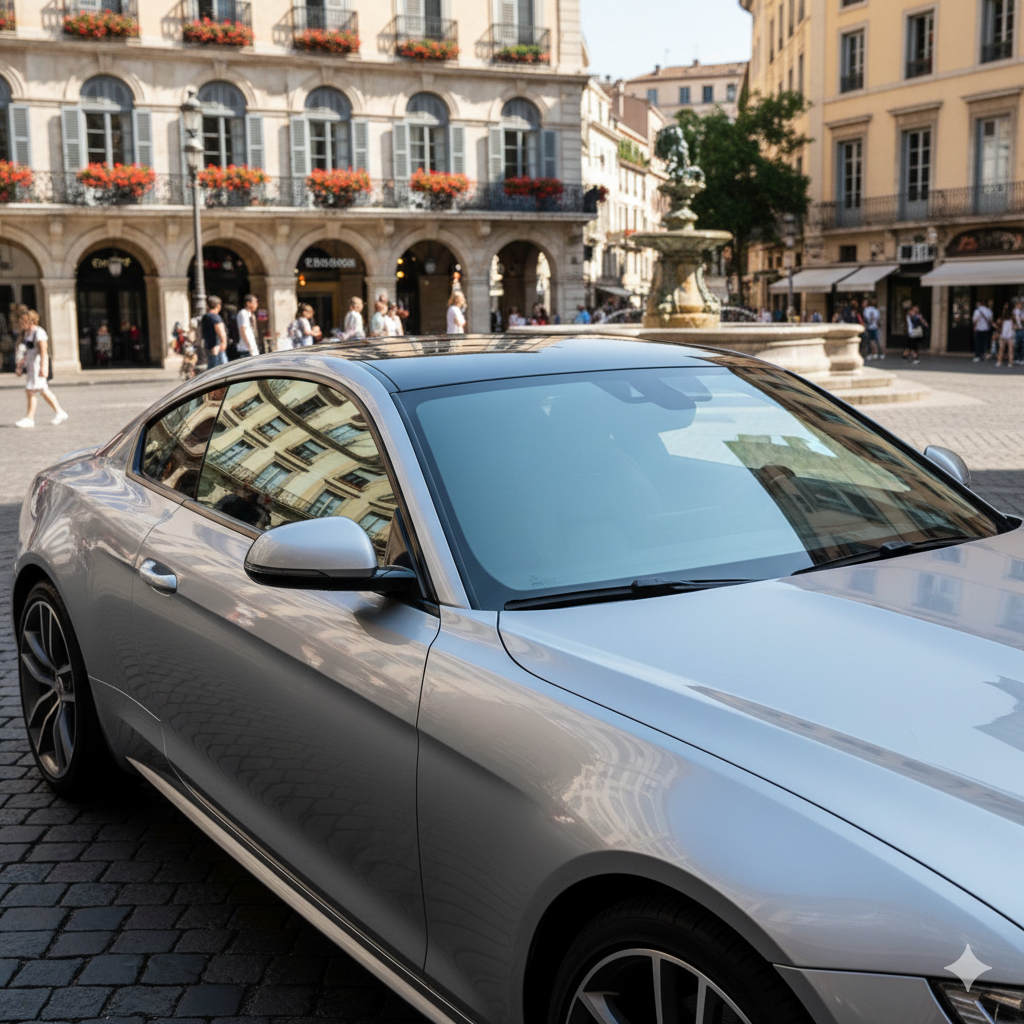
Front and rear side windows may not be more than 35% reflective. Highly mirrored or metallic finishes are not permitted.
Reflective tint can increase glare for other drivers, which is why the state restricts it. Most modern ceramic films are designed to reduce heat without creating a mirrored appearance, making them both compliant and visually clean.
Medical Exemptions for Darker Tint
Nevada does provide medical exemptions for individuals with qualifying light-sensitive medical conditions.
To legally install darker tint under a medical exemption:
- You must have proper documentation.
- You are required to carry that documentation in the vehicle.
Without that paperwork on hand, you could still receive a citation, even if you qualify medically.
What’s Actually Enforced in Nevada?
While the law is clear on paper, enforcement often depends on circumstances.
In most cases, window tint violations are considered a secondary offense, meaning officers typically check tint after pulling someone over for another reason.
The most common enforcement issues include:
- Front windows are darker than 35%
- Windshield tint extending below the AS-1 line
- Highly reflective or mirrored finishes
In areas with heavier traffic or more visible law enforcement presence, tint checks may be more frequent. While some drivers choose to risk a darker front tint, it’s important to understand that citations can require removal and reinspection, which adds time and cost.
A Win-Win Option: Ceramic Film
One of the most common misconceptions is that darker tint equals better heat protection.
Modern ceramic window films can block significant infrared heat and nearly 99% of harmful UV rays, even at lighter shades like 50% or 70%.
This means you can stay within legal limits while significantly improving interior comfort, protecting your dashboard and upholstery from long-term sun damage, and maintaining better nighttime visibility compared to darker films.
For many Nevada drivers, a high-performance ceramic film in a legal shade offers the best balance between comfort and compliance.
Why Staying Legal Is Worth It
Choosing legal tint isn’t just about avoiding a ticket.
It also:
- Prevents the cost of removal and reinstallation
- Protects resale value
- Keeps inspections simple
- Reduces stress during traffic stops
In other words, cutting corners on tint often ends up costing more in the long run.
Not Sure What’s Right for Your Vehicle?
Tint laws can feel confusing, especially when combining factory glass with aftermarket film.
If you’re unsure what 35% actually looks like, or how to maximize heat rejection while staying compliant, the best step is to see real samples in person and talk through your options with a professional installer.
In Nevada, the sun isn’t optional.
But getting a ticket for your tint definitely is.
Grafics Unlimited is Your One-Stop Tinting Shop in Northern Nevada
If you’re looking for a window tint shop in Northern Nevada, Grafics Unlimited is your trusted go-to. Grafics Unlimited has an extensive portfolio and decades of experience working with car enthusiasts, local businesses, and organizations to enhance vehicles and fleets with wraps, spot graphics, window tint, and more.
Grafics Unlimited has operated as a family-owned, full-service sign business since 1976 and has set the pace for design in the sign and vehicle wrap industry. They provide professional, friendly service and quality products to each satisfied customer.