Choosing the right window tint percentage can feel confusing, especially if you’ve never tinted a vehicle before. Many drivers know they want more privacy, less heat, and protection from the sun, but they are unsure which tint percentage actually fits their needs.
Should you choose a lighter tint that keeps visibility high? Or go darker for more privacy and a bold appearance?
For drivers in Nevada, the decision matters even more. Long summers, intense sunlight, and high interior vehicle temperatures make window tint more than just a cosmetic upgrade. The right tint can make your vehicle significantly more comfortable while helping protect your interior from sun damage.
Here at Grafics Unlimited, a reputable tint installer in Northern Nevada, we know a thing or two about window tint, so we put together this guide to help our customers understand what they’re buying. In it, we’ll break down what window tint percentages mean, what different shades look like, and how to choose the best option for your vehicle and driving style.
What Does Window Tint Percentage Mean?
Window tint percentage refers to the amount of visible light that can pass through the window film. This is called Visible Light Transmission, or VLT.
A higher percentage means more light passes through the window. A lower percentage means the tint is darker and allows less light inside.
For example:
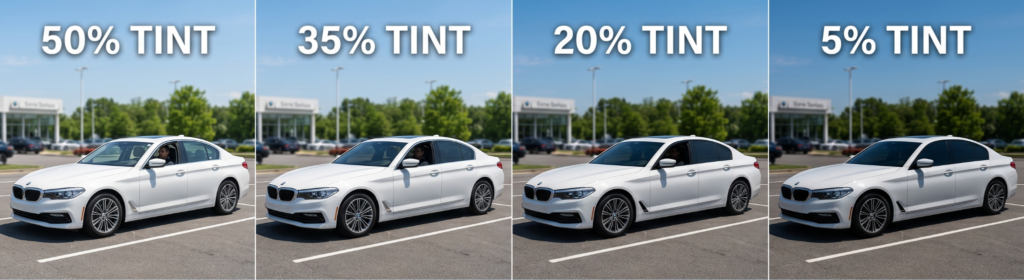
- 50% tint allows 50% of visible light through
- 35% tint allows 35% of visible light through
- 5% tint allows only 5% of visible light through
The lower the number, the darker the tint will appear.
Many drivers assume darker tint automatically means better heat rejection, but that is not always true. High-quality ceramic films can reject significant heat even in lighter shades.
50% Window Tint: Light and Subtle
50% tint is one of the lightest commonly installed window films. It slightly darkens the windows while still maintaining a very natural appearance.
This option is popular among drivers who want:
- Reduced glare
- Mild heat reduction
- UV protection
- Minimal change to visibility
Because it remains relatively light, 50% tint is easy to see through both during the day and at night. Many people choose it for windshields where legal, or for front windows when they want a subtle look.
If you do a lot of nighttime driving, 50% tint can provide sun protection without significantly reducing visibility.
35% Window Tint: One of the Most Popular Choices
35% tint is often considered the “middle ground” option. It provides a noticeable tinted appearance without becoming excessively dark.
For many Nevada drivers, this percentage offers an excellent balance between:
- Privacy
- Visibility
- Heat reduction
- Style
From the outside, 35% tint gives the vehicle a clean, modern appearance. From the inside, drivers can still see clearly during both daytime and nighttime driving.
This is one of the most common choices for daily drivers because it combines comfort and aesthetics without dramatically limiting visibility.
20% Window Tint: Increased Privacy and a Darker Look
20% tint is significantly darker and provides much more privacy than lighter films.
With 20% tint, it becomes harder for people outside the vehicle to see inside, especially during daylight hours. Many drivers choose this shade for:
- Increased privacy
- Reduced glare
- Enhanced appearance
- Better shade from intense sunlight
This level of tint is especially popular in sunny climates like Northern Nevada, where harsh sunlight can make vehicle interiors extremely hot.
However, nighttime visibility becomes somewhat reduced with 20% tint, particularly on poorly lit roads.
5% Window Tint: “Limo Tint”
5% tint is commonly known as limo tint because it is extremely dark.
This shade offers maximum privacy and creates a very bold appearance. During the daytime, it is difficult to see into the vehicle from the outside.
While some drivers prefer the look of 5% tint, it is important to understand the tradeoffs. Visibility at night can become significantly more difficult, especially in areas with limited street lighting.
In many cases, 5% tint is also not legal on certain windows. Nevada drivers should always verify state tint laws before selecting extremely dark film.
Does Darker Tint Block More Heat?
This is one of the most common misconceptions about window tint.
Many people believe darker tint automatically provides better heat rejection, but the technology behind the film matters far more than darkness alone.
For example, a high-quality ceramic tint in 50% may reject more heat than a cheap dyed film in 5%.
Modern ceramic window tint is designed to block:
- Infrared heat
- UV rays
- Solar energy
This means you can still achieve excellent heat reduction without choosing the darkest possible shade.
For Nevada drivers dealing with intense summer temperatures, ceramic tint is often one of the best investments regardless of tint percentage.
What Tint Percentage Looks Best?
The “best” tint percentage often comes down to personal preference and how you use your vehicle.
Drivers who want a subtle factory appearance often prefer 50% or 35% tint. Those wanting additional privacy and a more aggressive look may choose 20%.
If your priorities include:
- Maximum visibility: 50%
- Balanced appearance and comfort: 35%
- More privacy and sun protection: 20%
- Maximum privacy: 5%
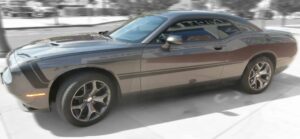
Vehicle color can also affect how tint appears. Dark vehicles typically make tint look darker, while white or silver vehicles may make the same tint percentage appear lighter.
Nevada Window Tint Laws
Before installing window tint, it’s important to understand Nevada’s tint laws.
Nevada law regulates how dark tint can be on different windows of the vehicle. Legal limits can vary depending on:
- Front side windows
- Rear side windows
- Rear windshield
- Windshield strip placement
Because regulations can change, it’s always best to work with a professional tint shop that understands current Nevada requirements.
Professional installers can help you select a tint percentage that gives you the appearance and performance you want while remaining compliant with state law.
Why Professional Installation Matters
Choosing the right tint percentage is only part of the process. Proper installation is equally important.
Even high-quality film can look poor if installed incorrectly. DIY tint jobs often lead to:
- Air bubbles
- Dust contamination
- Peeling edges
- Uneven appearance
In dusty environments like Northern Nevada, professional installation becomes even more valuable because airborne debris can easily become trapped beneath the film during installation.
Professional installers use controlled environments, precision-cut film, and specialized tools to ensure a clean, long-lasting result.
Final Thoughts
The best window tint percentage depends on your priorities, driving habits, and personal style. Some drivers prioritize visibility, while others want greater privacy and maximum heat reduction.
For many Nevada drivers, 35% and 20% tint offer the best overall balance of appearance, comfort, and functionality. However, the right choice ultimately depends on what matters most to you.
No matter which percentage you choose, investing in high-quality film and professional installation can make a major difference in both performance and longevity.
If you’re unsure which tint percentage is right for your vehicle, speaking with an experienced window tint professional can help you make the best decision for your needs.
Grafics Unlimited is Your One-Stop Tinting Shop in Northern Nevada
If you’re looking for a window tint shop in Northern Nevada, Grafics Unlimited is your trusted go-to. Grafics Unlimited has an extensive portfolio and decades of experience working with car enthusiasts, local businesses, and organizations to enhance vehicles and fleets with wraps, spot graphics, window tint, and more.
Grafics Unlimited has operated as a family-owned, full-service sign business since 1976 and has set the pace for design in the sign and vehicle wrap industry. They provide professional, friendly service and quality products to each satisfied customer.