Choosing the right window tint is like picking sunglasses for your vehicle or home — it affects comfort, privacy, protection, and style. This guide compares common tint types, explains strengths and weaknesses, and helps you pick the best option for budget, climate, and use.
Let’s get started!
First, what does window tint do?
Most people know window tint looks good, but they’re often surprised by just how many benefits come with it. These benefits include reduced sunlight, heat, glare, and harmful UV rays. It can lower interior temperatures, protect upholstery from fading, increase privacy, and, in some cases, reinforce glass.
Did you know you can tint more than just your car? Automotive tints are a no-brainer, but when used in residential or commercial settings, window tints focus more on energy savings and glare reduction.
In either case, with so many tint options available, understanding how each type performs is key to making an informed decision. Read on to explore the wide range of window tints and the unique benefits each one offers.
Common tint types
Dyed film — inexpensive films with dyed polyester layers that absorb light.
- Pros: low cost, solid dark look, reduces glare.
- Cons: less heat and UV rejection, possible fading over time. Best for budget-conscious buyers who want privacy and appearance.
Metalized film — contains tiny metallic particles that reflect heat and strengthen glass.
- Pros: strong heat rejection, durable, adds a reflective finish.
- Cons: can interfere with radio, GPS, and cell signals; reflective look may not appeal to everyone. Best for hot climates where heat control and durability matter.
Ceramic film — uses non-conductive ceramic particles to block heat and UV without metal.
- Pros: excellent heat and UV rejection, no signal interference, high clarity, and longevity.
- Cons: higher upfront cost. Best for luxury vehicles and anyone wanting top performance.
Carbon film — embeds carbon particles to block infrared light.
- Pros: good heat rejection, matte finish that resists fading, and an attractive, non-reflective look.
- Cons: more costly than dyed film, quality varies. Best for a stylish matte appearance with solid thermal performance.
Hybrid films — combine dyes and metalized layers to balance cost and performance.
- Pros: better heat rejection than dyed, less signal interference than fully metalized films.
- Cons: mid-range performance. Best for a compromise in benefits.
Safety and security film — thick, strong films that hold broken glass together.
- Pros: increases safety and burglary resistance, also reduces UV rays.
- Cons: thicker appearance and higher cost. Best for commercial properties, vulnerable homes, and safety-minded vehicle owners.
Which tint suits different needs?
Budget Friendly: If you’re focused on keeping costs down, dyed window film is the most affordable option and delivers a dark, stylish appearance. However, it offers limited heat rejection and typically doesn’t last as long as premium films.
Heat Reduction: For those prioritizing heat reduction, metalized and ceramic films are top performers. Ceramic film stands out by delivering excellent heat rejection and crystal-clear visibility without interfering with electronic signals.
Privacy and Style: When privacy and appearance matter most, carbon and dyed films provide a rich, non-reflective finish. Carbon film has the added advantage of better heat control compared to basic dyed options.
Tech-Friendly: Drivers who rely heavily on technology should consider ceramic film, as it won’t disrupt GPS, radio, or cell phone signals.
Safety: If safety and protection are the main concern, safety or security films are designed to reinforce glass, helping prevent shattering and adding an extra layer of protection.
Home or Office: For homes and offices, it’s best to focus on films with a low solar heat gain coefficient (SHGC) and high UV blocking. In these settings, ceramic or high-quality metalized films typically deliver the best balance of comfort, efficiency, and durability.
Legal considerations
Tint regulations can vary significantly depending on where you live. Many states enforce strict limits on how dark window tint can be—especially on front side windows—and also regulate how reflective a tint is allowed to be. These laws can even vary between types of cars such as SUVs or sedans.
These laws are designed to maintain visibility and safety for drivers, and violations can result in fines or required removal. Before tinting a vehicle, it’s essential to review and comply with all local and state regulations.
For example, in Nevada, the tint law looks something like this (for both SUVs and sedans):
- Windshield: Non-reflective tint is allowed above the manufacturer’s AS-1 line.
- Front Side windows: Must allow more than 35% of light in.
- Back Side windows: Any darkness can be used.
- Rear Window: Any darkness can be used.
For residential and commercial properties, homeowner associations and local building codes may also impose specific guidelines on window appearance or reflectivity, so be sure to confirm any applicable restrictions before moving forward.
Cost vs value
Prices range from budget dyed films to premium ceramic and safety films. While ceramic costs more initially, its durability, heat reduction, and signal-friendly properties often deliver better long-term value through lower interior fading and reduced AC use.
Choosing an installer
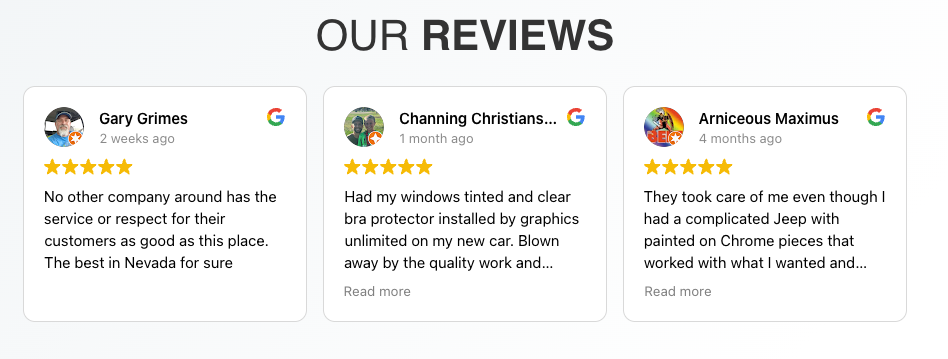
Selecting the right installer is almost as important as choosing the film itself. Look for certified installers with positive local reviews and clear warranty terms. Ask what brand of film they use, whether the film is dyed, metalized, carbon, or ceramic, and request to see completed work photos. Confirm the warranty covers bubbling, adhesive failure, and significant color change, and check whether labor is included. Lastly, be sure to ask about compliance with local tint laws.
Final recommendations
- Best overall performance: Ceramic film — top heat rejection, UV protection, clarity, and no signal interference.
- Best value compromise: Carbon or hybrid films — stylish looks, good thermal performance, moderate price.
- Best budget option: Dyed film — privacy and appearance at low cost.
- Best for security: Safety film — reinforcement and breakage control.
Choosing tint is a balance of priorities: budget, aesthetics, heat control, and whether signal interference matters. For many drivers and homeowners, ceramic offers the best long-term payoff. But dyed, carbon, or metalized films still make sense depending on style and cost constraints.
Grafics Unlimited is Your One-Stop Tinting Shop in Northern Nevada
If you’re looking for a window tint shop in Northern Nevada, Grafics Unlimited is your trusted go-to. Grafics Unlimited has an extensive portfolio and decades of experience working with car enthusiasts, local businesses, and organizations to enhance vehicles and fleets with wraps, spot graphics, window tint, and more.
Grafics Unlimited has operated as a family-owned, full-service sign business since 1976 and has set the pace for design in the sign and vehicle wrap industry. They provide professional, friendly service and quality products to each satisfied customer.